Munnar is a year-round hill station, but the experience changes a lot with the seasons. Here is a straightforward, month-by-month guide to help you pick the best time to visit Munnar for your kind of trip.
The quick answer
For most travellers, September to March is the best time to visit Munnar — the weather is cool and pleasant, the tea gardens are lush, and skies are clearer for sightseeing. If you love mist, greenery, and fewer crowds, the monsoon has its own magic too.
October to February — peak season
This is Munnar at its most comfortable: crisp, cool days, cold mornings, and excellent visibility for viewpoints like Top Station and Echo Point. It is ideal for honeymoons, families, and photography. Because it is peak season, hotels fill quickly, so it helps to plan and book early.
March to May — warm and quieter
Spring brings warmer days on the plains, but Munnar's elevation keeps it far more pleasant than the lowlands, making it a popular summer escape. Rates can be gentler than peak season and the gardens stay green.
June to September — the monsoon
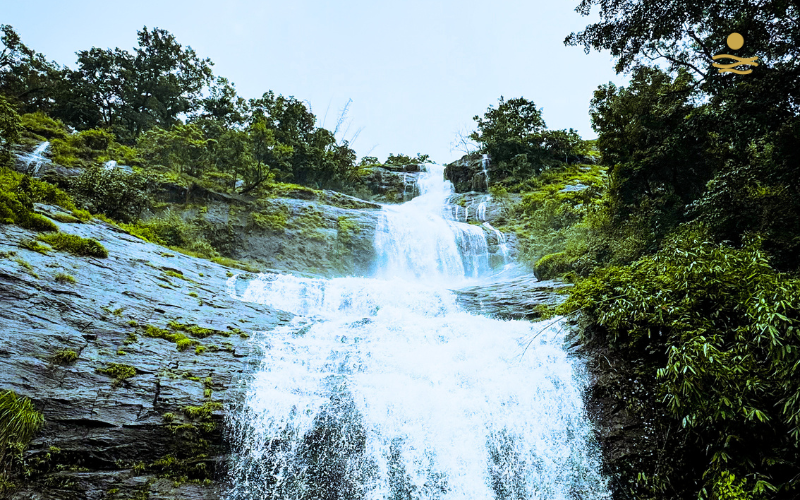
The southwest monsoon transforms Munnar into a misty, intensely green landscape with full waterfalls and dramatic clouds rolling over the hills. It is the most atmospheric and least crowded time, often with better value on stays. Expect rain and occasional mist that can hide distant views — pack accordingly and keep the itinerary flexible.
Best time by trip type
- Honeymoon: October to February for cool, romantic weather.
- Families: September to March for comfortable sightseeing.
- Budget & greenery: the monsoon months for lush scenery and value.
- Neelakurinji bloom: a special case — the next mass bloom is expected around 2030 (August–October).
Plan around your dates
Tell us when you can travel and we will match the route and stays to the season. For the whole state's seasons, see our Best Time to Visit Kerala guide. Explore our Munnar packages, pair it with Thekkady and the Alleppey backwaters, or start planning your trip.