Quick answer: Neelakurinji turns the Munnar hills purple only once every ~12 years. The last grand mass bloom was in 2018, so the next hillside-wide bloom is expected around 2030, peaking roughly August to October. It is not blooming across Munnar in 2026, though small, localised patches of related Strobilanthes species can appear in some years.
Few natural events capture travellers' imagination like the Neelakurinji — the shrub whose violet-blue flowers turn the Munnar hills into a rolling purple carpet. Because the famous mass bloom happens only once every twelve years, the big question everyone asks is simple: when can I actually see it? Here is a clear, honest answer.
Don't want to wait for 2030? You don't have to. Munnar's tea-carpeted hills, waterfalls, and cool mountain air are beautiful in every season, and the Neelakurinji is just one rare bonus. As a local Thrissur team, we plan Munnar trips around your dates all year round.
Is Neelakurinji blooming in Munnar in 2026?
No — 2026 is not a mass-bloom year for the classic Munnar Neelakurinji. The last valley-wide bloom was in 2018, and the twelve-year cycle points to the next big event around 2030. That said, "Neelakurinji" is really a group of related Strobilanthes species on different cycles, so small, localised patches can flower in pockets in other years. If your heart is set on the iconic purple hillsides, plan your trip around 2030 (August to October). If you simply love Munnar, it is beautiful every month of the year — more on that below.
When is the next Neelakurinji bloom in Munnar?
Neelakurinji (Strobilanthes kunthiana) follows a roughly 12-year flowering cycle. The last grand mass bloom across the Munnar high ranges was in 2018, which means the next spectacular, hillside-wide bloom is expected around 2030, with flowering peaking between roughly August and October. So if you are dreaming of the classic "purple hills" photo, 2030 is the year to plan around.
Why does it bloom only once in twelve years?
Neelakurinji is monocarpic: each plant flowers a single time in its life, sets seed, and then dies. The whole population grows quietly for over a decade, then blooms together in one overwhelming, synchronised burst before starting the cycle again from seed. That rarity is exactly why the bloom draws visitors from around the world.
Where to see Neelakurinji around Munnar
In a bloom year, the most reliable and protected place to see it is Eravikulam National Park (Rajamalai), just outside Munnar — also home to the endangered Nilgiri tahr. Other high-elevation spots that turn blue during the bloom include Kolukkumalai, Vattavada, and the Top Station area on the Kerala–Tamil Nadu border.
One important planning note: Eravikulam usually closes for a period early in the year during the Nilgiri tahr calving season, so opening dates matter. We always confirm current park timings and entry arrangements when we plan your trip.
What to do in Munnar in the meantime
You do not need to wait for 2030 to enjoy Munnar. The hills are stunning year-round, with:
- Endless tea gardens and the Tata Tea Museum
- Eravikulam National Park and its Nilgiri tahr
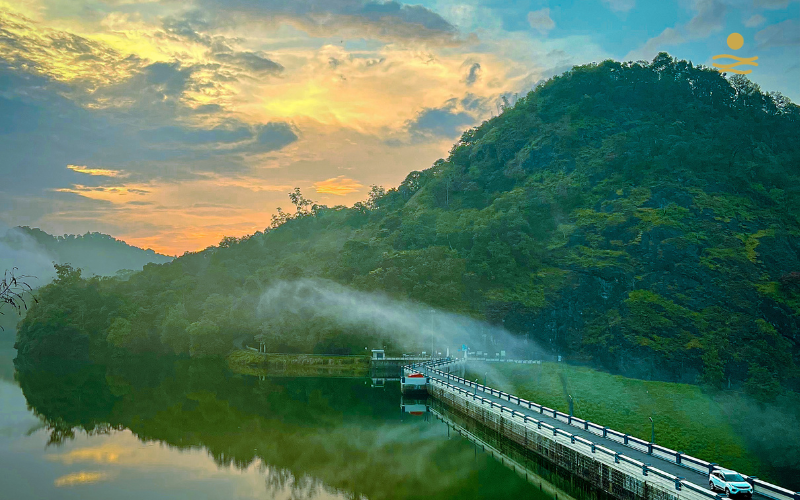
- Viewpoints like Echo Point, Mattupetty Dam, and Top Station
- Cool weather, mist, and some of India's most photogenic hill scenery
For help choosing your dates, see our guide to the best time to visit Munnar.
Neelakurinji FAQs
What is Neelakurinji?
Neelakurinji is a shrub (Strobilanthes kunthiana) found in the Western Ghats. Its violet-blue flowers bloom en masse only once every twelve years, briefly turning the Munnar hills purple.
How often does Neelakurinji bloom?
The famous Munnar mass bloom happens once every roughly 12 years. Because each plant flowers only once and then dies, the whole population blooms together in a single synchronised burst.
When is the next Neelakurinji bloom?
The last mass bloom was in 2018, so the next hillside-wide bloom in Munnar is expected around 2030, peaking between August and October.
Is Neelakurinji blooming this year (2026)?
No, 2026 is not a mass-bloom year. Small localised patches of related species can appear in some years, but the valley-wide Munnar event is expected around 2030.
Where can I see Neelakurinji near Munnar?
In a bloom year, Eravikulam National Park (Rajamalai) is the most reliable spot, along with Kolukkumalai, Vattavada, and Top Station.
Can I still visit Munnar if it is not a bloom year?
Absolutely. Munnar's tea gardens, wildlife, viewpoints, and cool climate make it one of India's most beautiful hill stations in any year.
Plan your Munnar trip
Whether you are planning ahead for the 2030 bloom or want Munnar's tea country now, we build the route, stays, and private transport around your dates. See our Munnar tour packages, browse all Kerala tours, or tell us your dates and we will shape a plan for you.